Appearance
说说ThreadLocal以及应用场景
ThreadLocal 是Thread的局部变量。
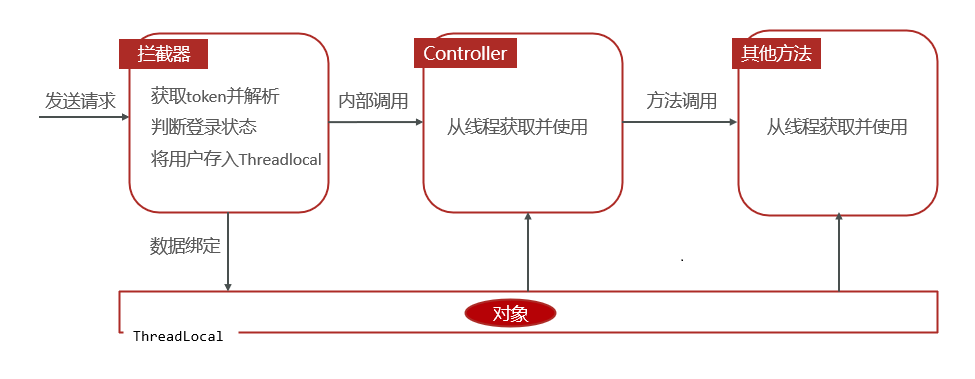
ThreadLocal 为每个线程提供单独一份存储空间
ThreadLocal 存储的数据可以在一个线程内传递,不同线程是相互隔离的。
:在web开发中,tomcat处理一次请求就是分配一个线程进行处理的
常用方法:
- public void set(T value) 设置当前线程的线程局部变量的值
- public T get() 返回当前线程所对应的线程局部变量的值
- public void remove() 移除当前线程的线程局部变量
java
public class BaseContext {

    public static ThreadLocal<Long> threadLocal = new ThreadLocal<>();

    public static void setCurrentId(Long id) {
        threadLocal.set(id);
    }

    public static Long getCurrentId() {
        return threadLocal.get();
    }

    public static void removeCurrentId() {
        threadLocal.remove();
    }

}
在拦截器中解析出当前登录员工id,并放入线程局部变量中:
java
/**
 * jwt令牌校验的拦截器
 */
@Component
@Slf4j
public class JwtTokenAdminInterceptor implements HandlerInterceptor {

    @Autowired
    private JwtProperties jwtProperties;

    /**
     * 校验jwt
     *
     * @param request
     * @param response
     * @param handler
     * @return
     * @throws Exception
     */
    public boolean preHandle(HttpServletRequest request, HttpServletResponse response, Object handler) throws Exception {

		//.............................

        //2、校验令牌
        try {
            //.................
            Claims claims = JwtUtil.parseJWT(jwtProperties.getAdminSecretKey(), token);
            Long empId = Long.valueOf(claims.get(JwtClaimsConstant.EMP_ID).toString());
            log.info("当前员工id:", empId);
            /////将用户id存储到ThreadLocal////////
            BaseContext.setCurrentId(empId);
            ////////////////////////////////////
            //3、通过,放行
            return true;
        } catch (Exception ex) {
            //......................
        }
    }
}
在Service中获取线程局部变量中的值:
java
	/**
     * 新增员工
     *
     * @param employeeDTO
     */
    public void save(EmployeeDTO employeeDTO) {
        employee.setCreateUser(BaseContext.getCurrentId());
        employee.setUpdateUser(BaseContext.getCurrentId());
        employeeMapper.insert(employee);
    }